

Wall panels have become a fast and clean alternative to plaster, paint and tiles. The three most common materials are PVC, WPC and SPC. They look similar in a showroom, but they behave differently on the wall. This guide compares them, so you can choose the right panel for each project.
Key points
- PVC panels are light, economical and water-resistant.
- WPC panels (wood plastic composite) are thicker and are often used for slatted and 3D designs.
- SPC panels have a dense mineral core, so they are rigid, impact-resistant and suit humid rooms.
- Choose by room, budget and design. Many distributors stock all three.
The three materials
PVC wall panels
PVC panels are made from polyvinyl chloride, often with a hollow or foamed structure. They are light, easy to cut and quick to install, which keeps project costs down.
WPC wall panels
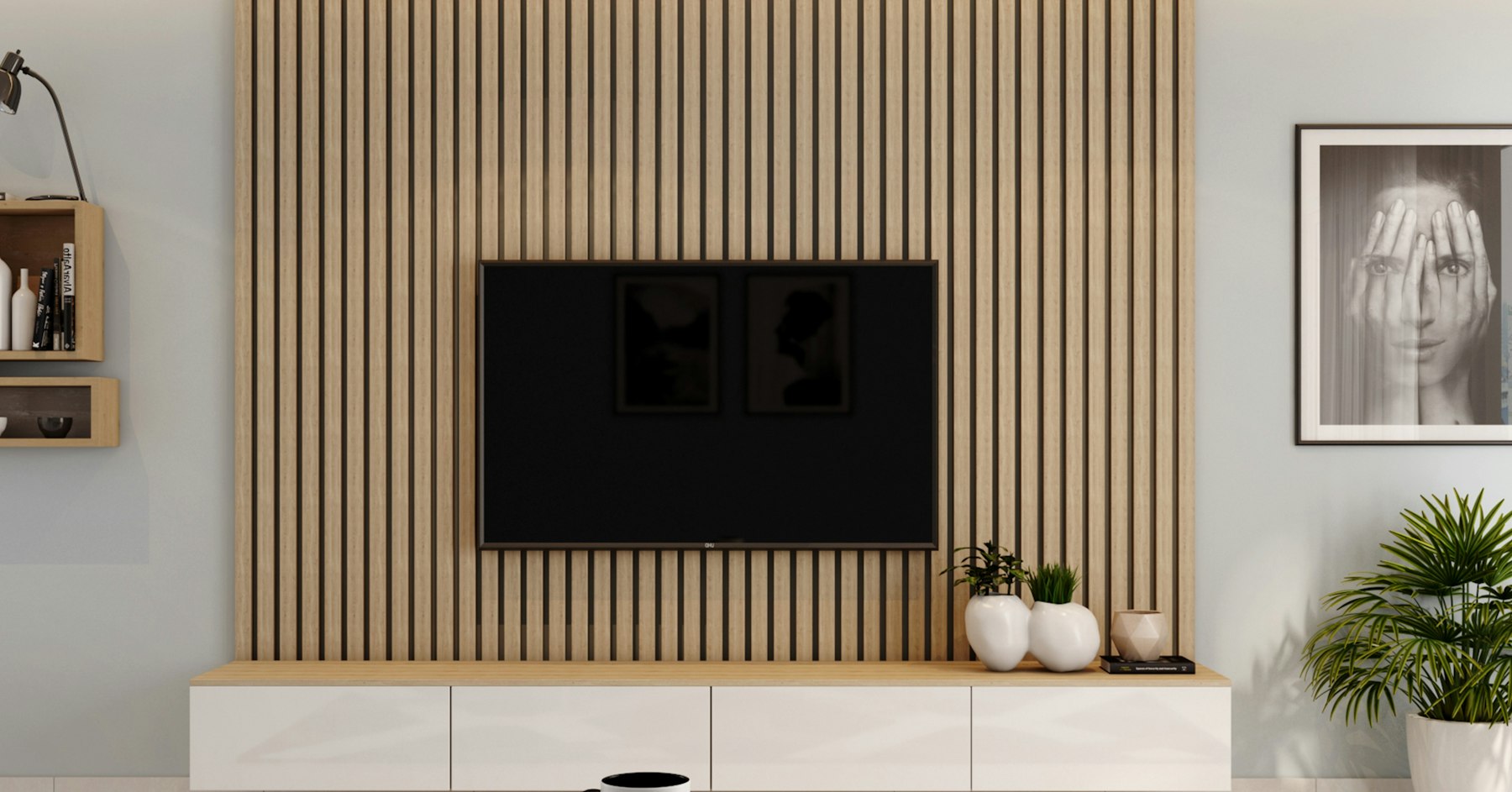
WPC combines wood fibre or powder with plastic. The panels are usually thicker and are popular for fluted, slatted and 3D wall designs that add depth to a room.
SPC wall panels
SPC panels use a stone plastic composite core, similar to SPC flooring. The dense core makes them rigid, stable and resistant to impact and humidity.
Comparison table
| Factor | PVC | WPC | SPC |
|---|---|---|---|
| Weight | Light | Medium | Heavier |
| Rigidity and impact | Moderate | Good | Very good |
| Humid rooms | Suitable | Check product | Suitable |
| Typical designs | Flat, wood and marble looks | Fluted, slatted, 3D | Flat boards, marble and wood looks |
| Installation | Very fast | Fast | Fast |
| Price level | Economical | Mid-range | Mid to premium |
Which panel for which space
| Space | Suggested panel |
|---|---|
| Bathrooms and kitchens | SPC or PVC |
| Living room feature walls | WPC slats or SPC boards |
| Hotel corridors and lobbies | SPC for durability |
| Budget renovations | PVC |
| Shops and offices | SPC or PVC, depending on traffic |
Installation basics
- Check that the wall is flat, dry and sound.
- Plan the layout and start from a straight reference line.
- Fix panels with the adhesive, clips or rails recommended for the product.
- Finish edges and corners with matching trims.
- Leave small gaps where the guide asks, especially in rooms with large temperature changes.
Explore our wall panel range, including SPC, PVC, HDF, stone-look and carbon slate panels, with matching trims and corners.
Frequently asked questions
Are PVC wall panels waterproof?
PVC does not absorb water, so PVC panels suit bathrooms and kitchens. Seal edges near showers and sinks.
Can wall panels be installed over tiles?
Often yes, if the tiles are firm and the surface is flat. Use the adhesive or fixing method recommended for the panel.
Which panel is best for a modern feature wall?
Slatted WPC or SPC boards in wood or marble looks are popular for TV walls and reception areas.
Why import from EGC Global
A manufacturer in Changzhou, China, exporting to the Gulf, Africa and Europe.
- Factory-direct prices. No traders between you and the production line.
- Samples before you order. Check colour, texture and quality first.
- Mixed containers. Floors, walls, skirting and trims in one load.
- OEM & private label. Your brand on boards, boxes and labels.
EGC products for this topic
Factory-direct wall panels from our production base in Changzhou, China. See the full wall panels range.


Need prices for your market?
Send us your products, quantities and destination port. Our export team replies with prices, packing and lead time.

