


In the Gulf, West Africa and the Mediterranean, floors face high temperatures, strong sunlight, humidity and air conditioning that runs all day. A floor that works well in a cool, dry climate can swell, gap or curl here. This guide compares the three most common click floors and explains which one suits which room.
Key points
- SPC has a stone-plastic core that does not swell with water. It is the safest choice for humid rooms and wet areas.
- Laminate (HDF) gives a warm, natural look at a good price, but it needs dry rooms and a damp-proof underlay.
- Flexible LVT vinyl is waterproof but softer, and it moves more with heat than rigid SPC.
- In every climate, acclimatisation, expansion gaps and a flat subfloor matter as much as the product.
The three floors in short
SPC (stone plastic composite)
SPC is a rigid click floor. The core is made mainly from limestone powder and PVC, which makes it dense and dimensionally stable. A printed decor film and a clear wear layer sit on top. Because the core does not absorb water, SPC suits kitchens, bathrooms, ground floors and humid regions.
Laminate (HDF core)
Laminate has a high-density fibreboard core with a printed decor and a hard melamine surface. It resists scratches well and feels warm underfoot. The weak point is water: if moisture gets into the joints or the core, the boards can swell. Laminate is best in bedrooms, living rooms and offices with stable humidity.
LVT vinyl (flexible)
Flexible luxury vinyl tile is a thinner PVC product without a mineral core. It is waterproof and quiet, but it is softer and follows any unevenness in the subfloor. In rooms with strong sunlight and large temperature changes it can expand more than rigid SPC.
Side-by-side comparison
| Factor | SPC | Laminate (HDF) | LVT vinyl |
|---|---|---|---|
| Water in the core | Does not swell | Can swell if wet | Does not swell |
| Stability in heat | Very good | Good in dry rooms | Moderate |
| Wet rooms | Suitable | Not recommended | Suitable |
| Feel underfoot | Firm | Warm, firm | Soft |
| Subfloor tolerance | Good (rigid core) | Good | Low (shows unevenness) |
| Typical use | Homes, hotels, retail, wet areas | Bedrooms, living rooms, offices | Light commercial, renovations |
What hot and humid climates do to floors
- Humidity makes wood-based cores take up moisture. That is why laminate needs a damp-proof membrane on concrete.
- Heat and sunlight make every floor expand. Large glass walls in villas and malls create hot zones near windows.
- Air conditioning creates big differences between day and night, and between rooms. Floors need room to move.
- Cleaning with water is common in many markets. Wet mopping favours SPC and vinyl over laminate.
Which floor for which room
| Room or project | Best choice | Why |
|---|---|---|
| Kitchens and bathrooms | SPC | Water does not damage the core |
| Villa living areas with large windows | SPC | Stable in heat, firm under furniture |
| Bedrooms and offices | Laminate or SPC | Laminate gives warmth and value in dry rooms |
| Hotel rooms and corridors | SPC | Durable, easy to maintain, quick to replace |
| Shops and showrooms | SPC | Handles traffic and frequent cleaning |
Installation tips for hot climates
- Store the boxes flat in the room for at least 48 hours before fitting, with the air conditioning running as normal.
- Check that the subfloor is flat, dry and clean. Use a moisture barrier on concrete.
- Leave the expansion gap the installation guide asks for around walls, columns and door frames.
- Use profiles to split very large areas and to separate rooms.
- Use curtains or blinds in rooms with strong direct sun on the floor.
For importers, the practical answer is often a range of both: SPC for wet and high-risk areas, and HDF laminate for dry rooms at a lower price. Our flooring range covers both, and you can combine them in one container.
Frequently asked questions
Is SPC better than laminate in the Middle East?
For wet rooms, ground floors and spaces with strong humidity, SPC is the safer choice because its core does not swell. Laminate still works well in dry rooms and costs less.
Can SPC be installed in direct sunlight?
Yes, but every floor expands with heat. Follow the expansion gap guidance and use blinds or curtains where the sun hits the floor for hours.
Does laminate need an underlay?
Yes. Use the underlay and moisture barrier recommended for the product, especially on concrete subfloors.
Why import from EGC Global
A manufacturer in Changzhou, China, exporting to the Gulf, Africa and Europe.
- Factory-direct prices. No traders between you and the production line.
- Samples before you order. Check colour, texture and quality first.
- Mixed containers. Floors, walls, skirting and trims in one load.
- OEM & private label. Your brand on boards, boxes and labels.
EGC products for this topic
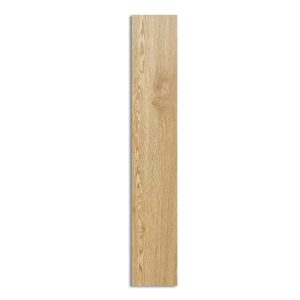
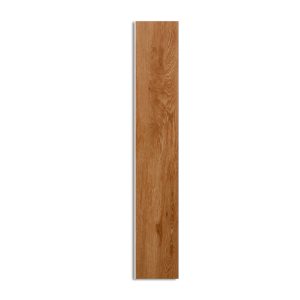
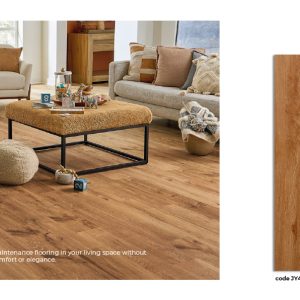
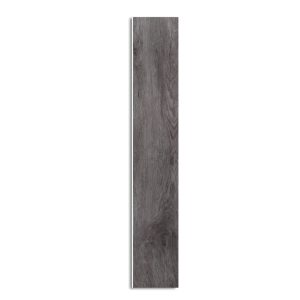
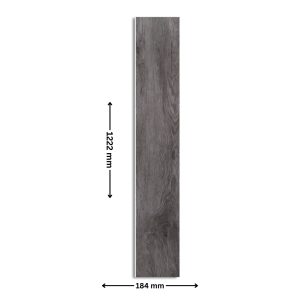
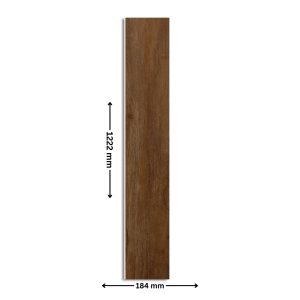
Factory-direct flooring from our production base in Changzhou, China. See the full flooring range.

Need prices for your market?
Send us your products, quantities and destination port. Our export team replies with prices, packing and lead time.


